Types Of Dentures Explained: Full, Partial, Implant-Supported & More
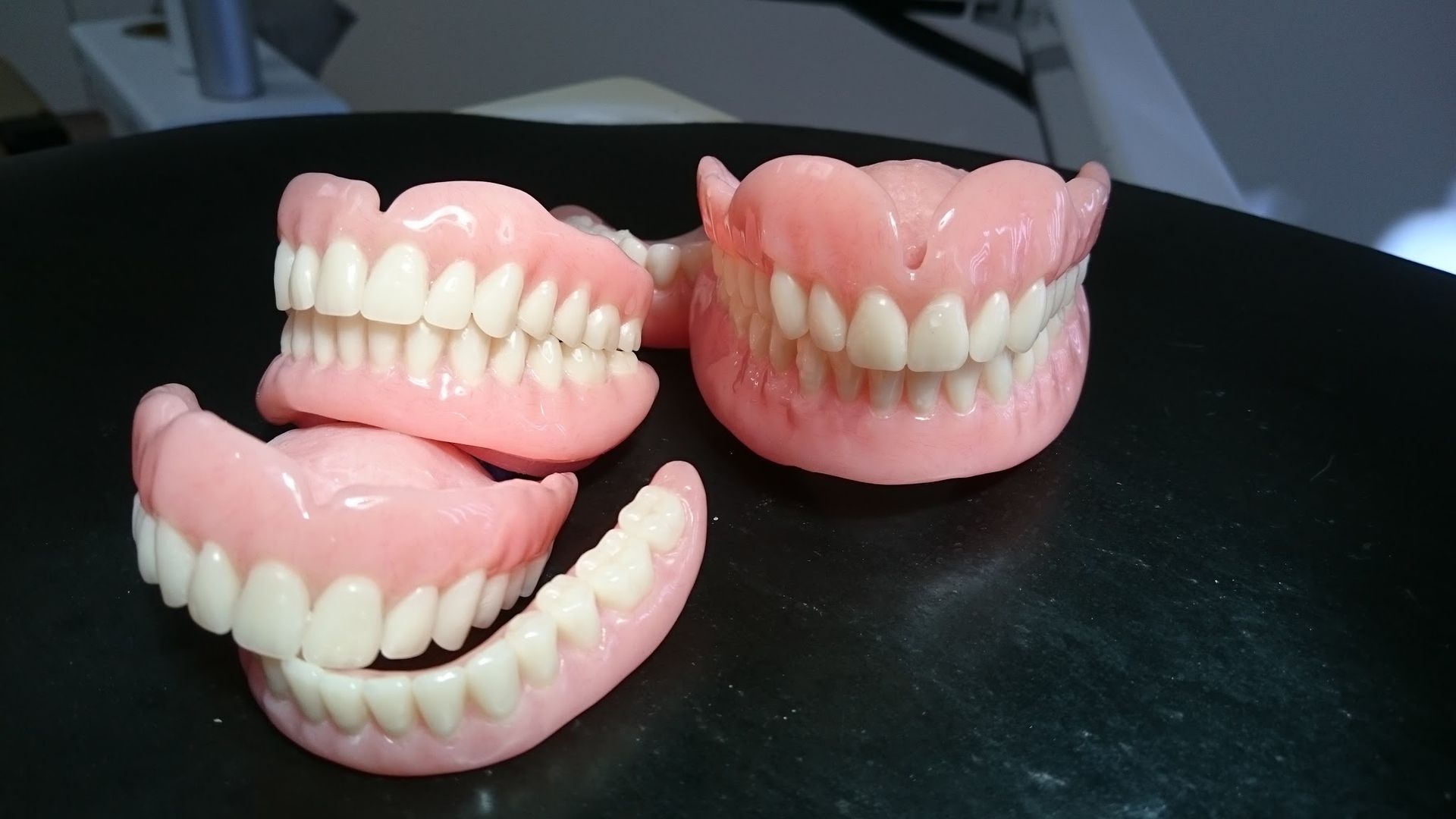
For many people, the first steps toward replacing missing teeth begin with a mixture of curiosity and uncertainty. Questions often arise about comfort, appearance and how each option will feel in day-to-day life. Modern dentures come in several forms, each designed for different needs, budgets and levels of support. Whether someone is new to false teeth, considering an upgrade or exploring what might suit a family member, having clear guidance can make these decisions far easier.
Understanding the types of dentures available on the Central Coast is especially important for those looking at their long-term oral health. Choices like full dentures, partial dentures, implant-supported dentures and flexible or metal-framed options all offer different experiences. Instead of feeling overwhelmed by jargon or conflicting information, readers can use this guide to gain a simple, practical overview. The aim is to help people feel more informed before speaking with a denture clinic on the Central Coast about what may be suitable for their situation.
Full Dentures: How They Restore a Natural-Looking Smile
Full dentures are often chosen by people who no longer have their natural teeth and want a complete, cohesive replacement. They are carefully crafted to sit over the gums, creating a full smile that supports eating, speaking and daily routine. Many clients begin this journey with questions about how full dentures feel, how they’re made, and what to expect during the adjustment period. A denture clinic guides them through each step, helping ensure the appliance is shaped to meet their needs and preferences.
Key features often considered include:
- Coverage of the entire upper or lower arch
- A custom-made fit shaped to the contours of the mouth
- Choices in tooth shape and shade to support a natural appearance
Partial Dentures for Filling the Gaps When Only Some Teeth Are Missing
Partial dentures are designed for people who still have some of their natural teeth. These dentures fit into the spaces where teeth are missing, using clasps or attachments to sit comfortably around the remaining natural structure. Many find this type of denture helpful because it fills the gaps while still working alongside teeth that are healthy enough to stay in place. A denture clinic assesses how the partial denture will interact with existing teeth, shaping a design that balances comfort with day-to-day use.
Exploring Implant-Supported Dentures for Added Stability
Implant-supported dentures may be considered by people looking for a more anchored option. These dentures are supported by dental implants, which act as a foundation for the denture to attach to. Rather than resting solely on the gums, this approach creates a more secure hold that many find reassuring. Some individuals choose this path after discussing comfort, stability or long-term wear with their dental team. Denture clinics often work alongside dental implant providers to create the denture component once the implants are in place.
General benefits people often inquire about include:
- A steady connection that helps reduce movement
- A design shaped around the individual’s mouth and implant placement
- Suitability for those who prefer a firmer base for their denture
When Flexible Dentures Become a Comfortable Alternative
Flexible dentures offer a gentler, adaptable option for people who find traditional materials less comfortable. Made from lightweight, flexible materials, they can feel softer along the gums and around remaining teeth. This type of denture is often chosen by individuals who experience tenderness or difficulty adjusting to rigid bases. A denture clinic explains how flexible materials behave, what daily care looks like, and how the design can be shaped around unique gum lines for a more personalised fit.
Metal Frame Dentures for Added Support in Everyday Wear
Metal frame dentures combine a strong internal framework with acrylic or similar materials for the visible teeth and gum-coloured areas. These dentures are typically lightweight while still offering support, which is why some people choose them for long-term wear. The metal base helps the denture sit securely, distributing pressure during daily activities such as chewing. A denture clinic helps determine whether this structure would suit a person’s mouth shape, remaining teeth and comfort goals.
Key features often discussed include:
- A slim, supportive metal base
- A design that allows for durability without bulk
- Suitability for individuals seeking a long-wear option without full acrylic
Immediate Dentures for Those Who Need a Same-Day Solution
Immediate dentures are made before natural teeth are removed, allowing a person to leave their appointment with a denture already in place. This option is often chosen by people who prefer not to go without teeth while healing. The immediate denture acts as a temporary step while the mouth settles, and later adjustments are usually needed as the gums change shape. Denture clinics help people understand the short-term nature of immediate dentures and guide them through the follow-up process once healing progresses.
Relines and Repairs: Keeping Dentures Comfortable Over Time
Over time, the natural shape of the mouth changes, and dentures that once felt comfortable may begin to feel different. Relines and repairs play an important role in helping dentures sit more comfortably again. A denture clinic can adjust the base, restore areas that have worn down or carry out repairs when the denture is damaged. These services support the longevity of the appliance and help keep it functioning as intended in day-to-day life.
Common reasons people request relines or repairs include:
- Natural changes to gum shape
- Wear and tear from regular use
- Cracks, chips or loosening
Choosing the Right Denture Type with Guidance Tailored to Your Needs
With so many denture options available, choosing the right one often comes down to personal goals, mouth shape and lifestyle needs. A denture clinic takes time to understand individual circumstances and discuss the different denture types in a way that feels approachable. Whether someone is exploring full dentures, partial dentures, implant-supported dentures or flexible and metal-based designs, the right support can make the decision far less overwhelming. Many people appreciate having guidance that aligns their preferences with the appliance that suits them best.
We at Complete Denture Clinic understand that decisions around denture care can feel significant, especially for people navigating the changes that come with tooth loss or helping a loved one through the process. Our approach is centred on taking the time to listen, explain options clearly and support individuals as they explore the denture type that aligns with their needs. Many locals reach out to us not only for new dentures but also for relines, repairs and general guidance as their circumstances change.
If you’re unsure where to start, want to understand the difference between various false teeth options, or feel ready to talk through your situation with a team familiar with the challenges faced by Central Coast residents, we welcome you to connect with us. You can learn more, make an enquiry or arrange an appointment through our website: https://www.completedentureclinic.com.au/. We’re here to provide steady, down-to-earth support whenever you need it.